Open 24/7 — Emergency plumbing across San Diego County · Emergency plumbing
- info@fraserplumbinginc.com
- License #1106710
- Reviews
- Blog

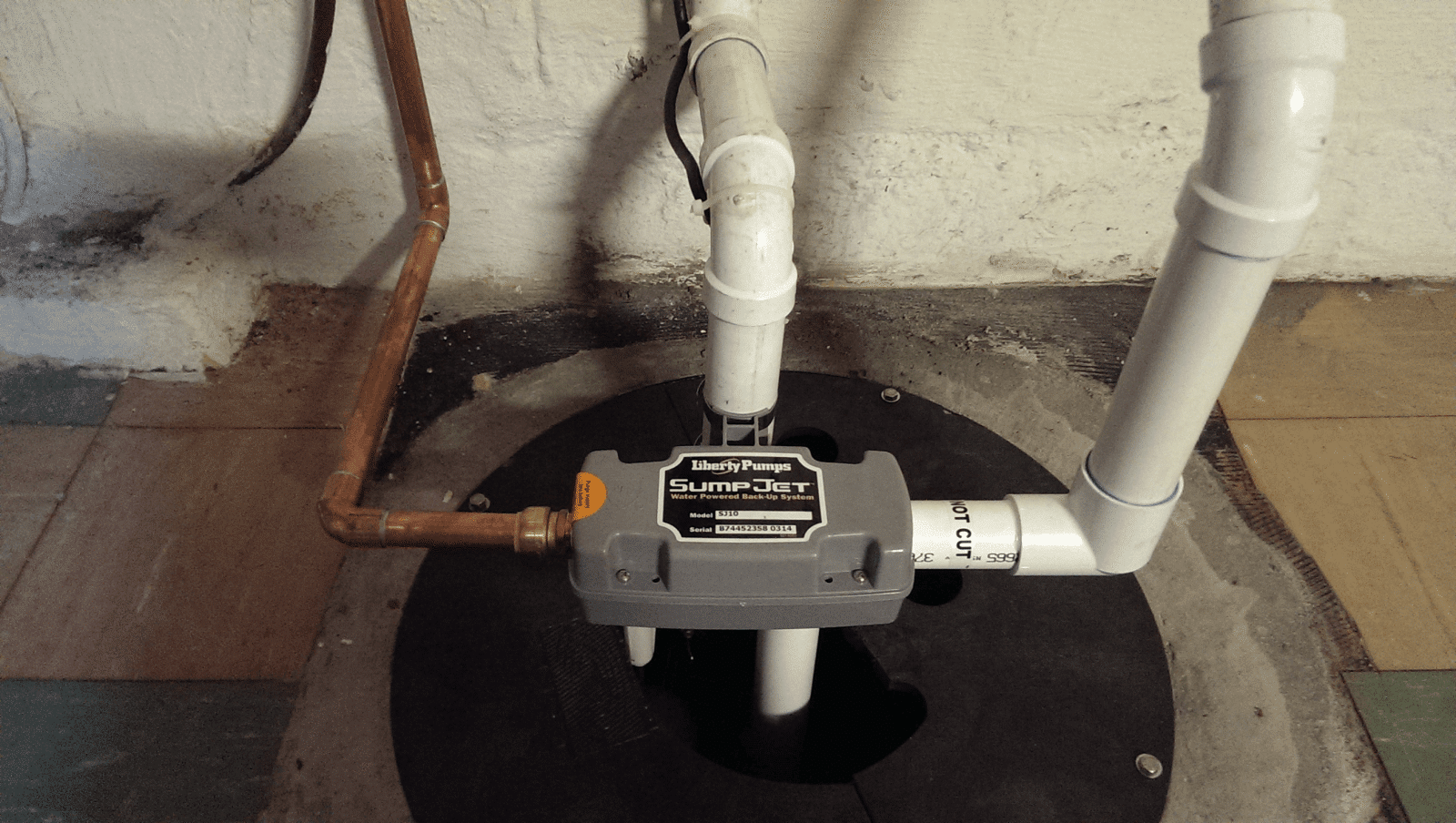
Water & Sewage Ejection Pumps • San Diego
Water & Sewage Ejection Pumps in San Diego
Quick answer: A sewage ejector pump lifts wastewater from fixtures below the main sewer line, such as basement bathrooms and below-grade kitchens. Fraser Plumbing installs, replaces and services ejection pumps.
- Best for: Commercial buildings and homes with plumbing below the sewer line or a failing pump.
- Availability: Open 24/7, including emergencies, across San Diego County.
- Cost: Free estimate and a clear price before any work begins.
- Guarantee: 1-year warranty on all plumbing work. Licensed, bonded and insured (CSLB #1106710).
- Next step: Call (619) 332-0275 or request service online.
A sewage ejector pump lifts wastewater from plumbing fixtures that sit below the main sewer line and pushes it up into the sewer or septic line. Fraser Plumbing installs and services water and sewage ejection pumps for San Diego commercial buildings, restaurants, small businesses and homes, sized correctly and installed to local requirements. We’re available 24/7 and estimates are free.
- Available 24/7
- Free Estimates
- Commercial & Residential
- Licensed, Bonded & Insured
Request Ejection Pump Service
Tell us about your property and the fixtures involved and we’ll get back to you. Free estimates.
Emergency? Call (619) 332-0275. We answer 24/7.
Open around the clock
Clear pricing before work starts
On all our plumbing work
Homes, businesses & HOAs
Ejection Pumps at a Glance
What you need to know about sewage ejection pumps
What is an ejection pump?
A pump that collects wastewater from fixtures in a holding tank, called a sump basin, and pumps it up and out of the building into the main sewer line or septic system when gravity alone can’t do the job.
When do you need one?
Whenever a toilet, sink, laundry or other fixture is located below the level of the main sewer line, or where there’s no other way to move wastewater out of a space.
How Fraser helps
We size the pump and basin for your property, install it with the correct vent, outlet and check valve, and take care of the planning and code requirements involved.
How Ejector Pumps Work
Moving wastewater up to the sewer line
An ejector pump is required whenever one of your plumbing fixtures sits below the main sewer line. It raises the wastewater so it can properly leave the building.
What is a sewage ejector pump?
A sewage ejector pump works much like a groundwater sump pump. But instead of pushing rainwater seepage away from a building, it lifts waste and sewage and discharges it into the main sewer line or septic field.
Wastewater from the toilet or other fixtures flows into a holding tank, and from there the pump sends it through pipes and out of the building.
Where ejector pumps are used
Sewage ejector pumps are used when there is no other way to remove wastewater from a location. Common situations include:
- Fixtures below the level of the municipal sewer lines leading to the street
- Basement laundries, bathrooms and showers
- Properties where gravity drainage can’t work properly, or with no connection to the municipal sewer
- Septic systems in rural areas, where the holding tank or drain field is significantly higher than the lower-level plumbing
They pump both liquids and solids into the sewer line to keep things flowing properly.
Gravity-fed systems only
A pump-up ejector system is intended for gravity-fed sewer systems where fixtures are placed below the level of the main sewer line. Properties with pressurized sewage lines, which don’t rely on gravity to move waste away, can’t use this method.
How the sump basin works
The ejector pump is installed in a sump basin set into an excavated area below the floor. For an average-size house, the basin typically holds about 30 gallons of waste. Drain lines from the fixtures slope downward into the side of the basin. When the wastewater reaches a set level, the pump switches on and pushes the effluent out of the basin and up to your sewer or septic line.
Where ejection pumps are used
- Commercial buildings
- Hospitals and schools
- Restaurants
- Small businesses
- Homes with lower-level fixtures
- Rural septic systems
Pressurized sewer line?
Ejector pump systems are designed for gravity-fed sewers. If your property uses a pressurized sewage line, a different solution is needed. Ask us which applies to you.
Installation Requirements
Planning a sewage ejector pump installation
Installing an ejector pump involves intricate plumbing work and local permit requirements. Here is what goes into doing it right.
System requirements
An ejector system needs to be vented, either with its own vent running up and through the roof or by connecting to an existing vent (soil) stack. The pump typically has a 2-inch outlet pipe that ties into a 3-inch main sewer line.
A check valve is always installed between the pump outlet and the junction with the main sewer line, so nothing flows back into the basin once the wastewater has been pumped out.
Permits and local requirements
Before any project that calls for a sewage ejector pump, the local building department needs to be involved. Plumbing, building and permit requirements can vary between localities, and permits are typically required for any work on septic or sewer systems. There’s good reason for that: an inadequate installation can cause a catastrophic failure. It’s important to understand the legal requirements before work starts, and to get a quote from a qualified plumber.
Choosing the right size pump
Pick equipment that’s the right size and high quality. You don’t want to have to fix the installation later.
- Ejector pumps are intended for homes and small businesses.
- They aren’t suitable for large basins that need more than ¾ horsepower of pumping capacity, or for heavy-duty industrial applications. For a larger basin that holds more liquid, we recommend an electric submersible pump instead.
- Commercial use calls for a considerably larger sump basin.
Protecting health and groundwater
Wastewater that isn’t disposed of correctly can contaminate groundwater, and untreated water containing bacteria such as salmonella or E. coli can make people sick. A properly functioning sewage ejector pump guards against this and helps keep the water in your building clean.
Ejection pumps for businesses
Ejector pumps are used across many industries, including commercial buildings, hospitals, schools and restaurants. Whether you need an ejector pump system for your business or your home, we can supply and install quality equipment at a reasonable cost. Restaurants with lower-level drains may also need grease trap service, and slow or backed-up lines can be cleared with drain cleaning.
Our Process
How we install a sewage ejection pump
Tell us about the fixtures
Call (619) 332-0275 or send a request. Let us know which fixtures sit below the sewer line.
Assess and size the system
We look at your sewer connection and fixtures and size the pump and basin for your property.
Plan and permit
We work through local plumbing, building and permit requirements and give you a free estimate.
Install the pump
We install the basin, pump, vent, outlet line and check valve to the main sewer line.
Test the system
We make sure the pump switches on and discharges properly. Our work carries a one-year warranty.
Why It Matters
What a properly installed ejection pump does for you
Reliable drainage
Wastewater from lower-level fixtures is lifted into the sewer or septic line.
Prevents backflow
A check valve keeps pumped wastewater from flowing back into the basin.
Protects clean water
Correct disposal helps keep bacteria out of groundwater and your building's water.
Meets local requirements
Installations planned around local permit and plumbing codes.
Sized correctly
The right pump and basin for a home, small business or commercial property.
Opens up usable space
Makes it possible to add restrooms, laundries or sinks below the sewer line.
Why Choose Fraser
Ejection pump service from a local, family-run plumber
Fraser Plumbing Inc. is locally owned and operated in San Diego. Our experienced plumbers handle the intricate plumbing work and give you honest advice on the right system for your property.
Available 24/7
Sewage and drain emergencies get help around the clock.
Honest assessments
We explain what your property needs and what it will cost.
Free estimates
Know what the installation involves before you decide.
Licensed, bonded & insured
License #1106710.
Related Services
Related drain and sewer services
Ejection pumps connect to your sewer line. These services help keep the whole system flowing.
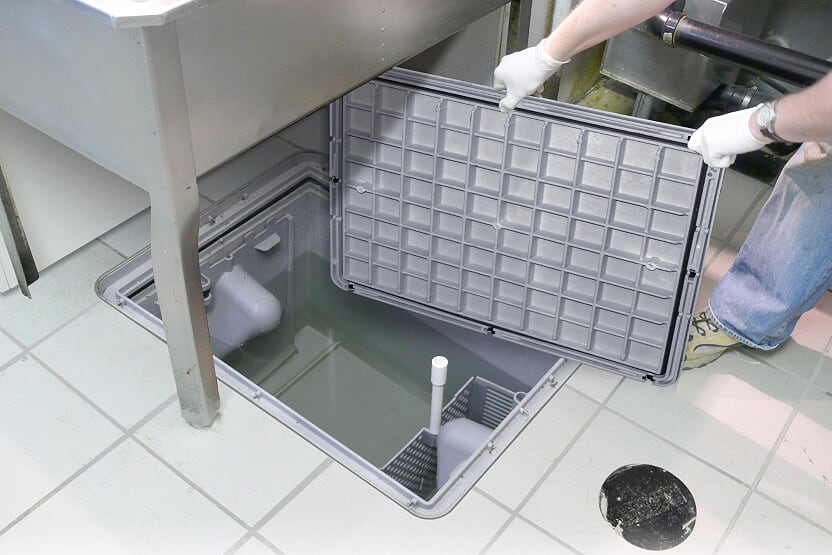
Grease Traps
Grease trap installation, cleaning and maintenance for restaurants and commercial kitchens.

Sewer Camera Video Inspection
A video inspection that shows what’s inside your sewer line before any repair is planned.
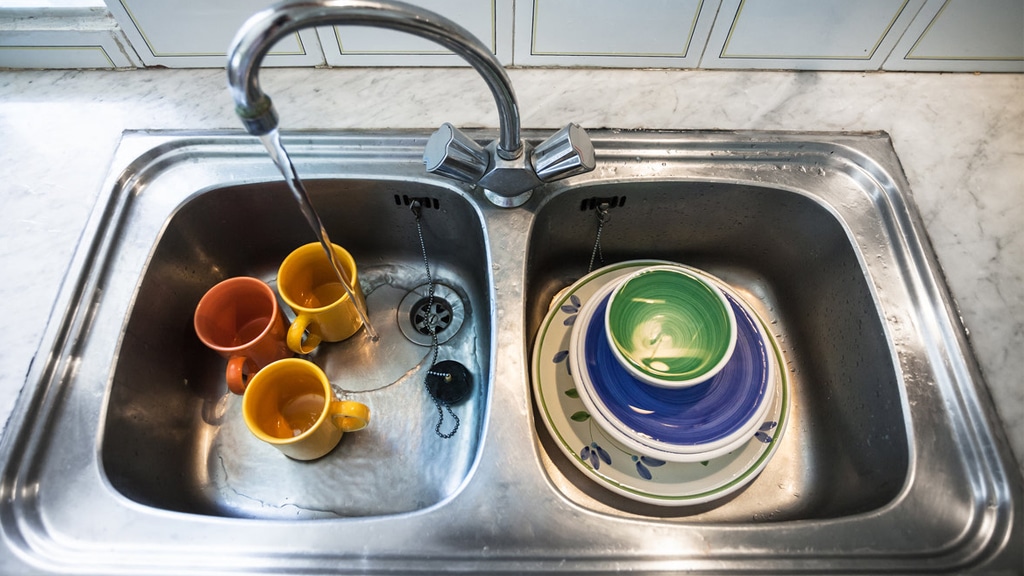
Drain Cleaning
Slow, clogged and backed-up sinks, toilets, tubs and main lines cleared with drain snakes and machines.
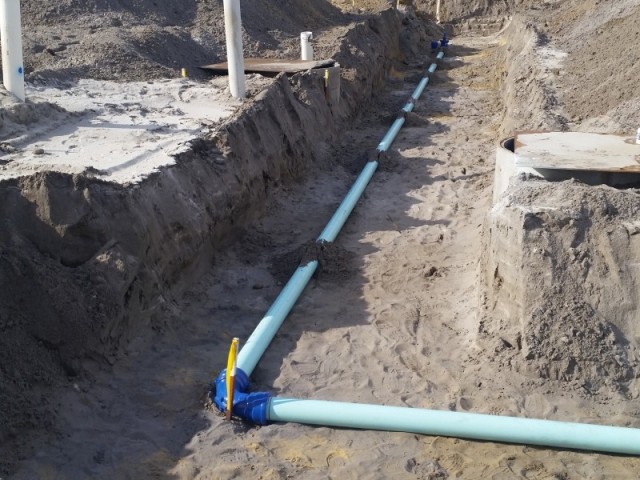
Water, Sewer & Gas Lines
Repair and replacement of the water, sewer and gas lines that serve your property.
Service Areas
Serving San Diego County
We install and service water and sewage ejection pumps for businesses and homes throughout the City of San Diego and San Diego County.
FAQ
Sewage ejection pump questions
What San Diego business owners, property managers and homeowners ask about ejector pumps.
When is a sewage ejector pump required?
When a plumbing fixture, such as a toilet, sink, shower or laundry, is located below the level of the main sewer line, so wastewater can’t drain away by gravity alone.
How is an ejector pump different from a sump pump?
A groundwater sump pump pushes rainwater seepage away from a building. A sewage ejector pump lifts waste and sewage and discharges it into the main sewer line or septic field.
How does a sewage ejector pump work?
Drain lines from the fixtures slope into a sump basin. When the wastewater reaches a set level, the pump switches on and pushes it up through an outlet pipe to the sewer or septic line. A check valve stops it flowing back.
Do I need a permit to install an ejector pump?
Usually, yes. Permits are typically required for any work involving septic or sewer systems, and requirements vary by locality. Check with the local building department before starting, and get a quote from a qualified plumber.
Can an ejector pump be used with a pressurized sewer line?
No. Pump-up ejector systems are designed for gravity-fed sewer systems. Properties with pressurized sewage lines can’t use this method.
Are ejector pumps suitable for commercial buildings?
They’re used in commercial buildings, hospitals, schools and restaurants, but commercial use requires a considerably larger sump basin. Standard ejector pumps aren’t suited to basins needing more than ¾ horsepower or heavy industrial use, where an electric submersible pump is the better choice. See our commercial plumbing services.
What should I do if my ejector pump or sewer line backs up?
Stop using the plumbing fixtures connected to it and call us at (619) 332-0275. We’re available 24/7. If the problem is in the line itself, a sewer camera inspection can show what’s going on.
Fixtures Below the Sewer Line?
Get the right ejection pump, installed properly
Call now to talk to a Fraser plumber, or send a request and we’ll get back to you to schedule your free estimate.
Emergency plumbing, 24/7
Sewage backing up? Stop using the fixtures and call. We answer 24/7.
- Licensed, bonded & insured
- Free plumbing estimates
- 1-year warranty on all work
Service Request
Request ejection pump service
Tell us about your property, the fixtures below the sewer line and when works for you. For sewage backups, please call. We’re available 24/7.
Call 24/7
Licensed, bonded & insured